
Hair Transplant in Jalandhar
There are several reasons for which international patients visit our Hospital
- No Visible Scars
- Minimum Pain
- Natural Hairline
- Maximum Density
- Maximum Coverage
- Near 100% Survival Rate of Grafts
Call +91 98889-58889 For A Enquiry
Hair Transplant Clinic in Jalandhar
Hair Transplant Treatment in Jalandhar
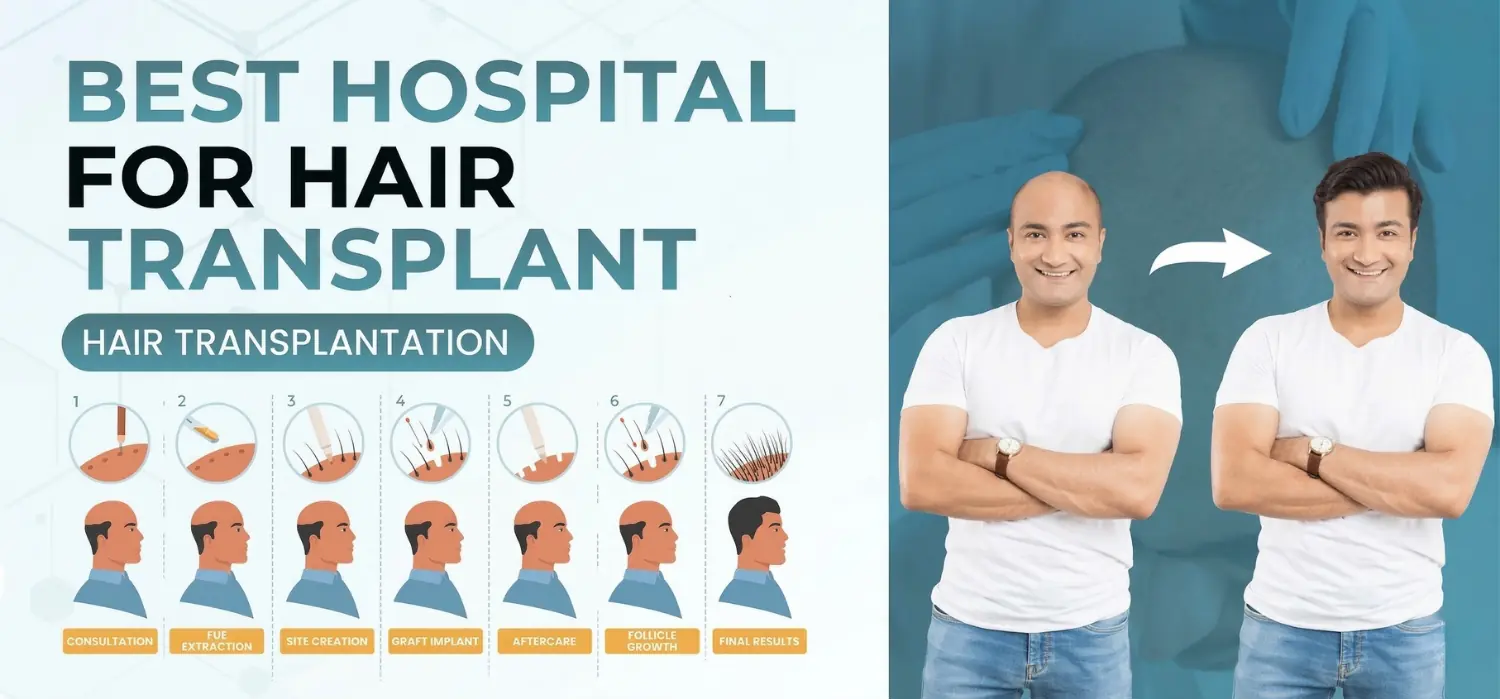
To get a hair treatment involves taking hair follicles from one area of the body and then planting them into another required part. Basically, the hair-producing organ is moved from one site to a different location. The place where those hair follicles are collected is called the donor site, and the place where they’re placed is the recipient site. Star Hospital offers you the best hair transplant treatment in Jalandhar.
What is a hair transplant?
Properly, we say that the hair transplant will take care of the follicles from one part of the body and plant them in another area. The hair-producing organ is transferred from one site to another. The area from which the hair follicles are taken is known as the donor site, while the one where they are placed is known as the recipient site.
How does a Hair transplant work?
We are human, and completely destined to be inquisitive. We love to ask the questions and know more about all that is going on. When it is a huge step like getting a hair transplant done, it is obvious for us to be interested in knowing about the process and workings of hair transplantation. The process of hair transplant does not last very long. When the procedure starts from Star Hospital, first of all you need a consultation; we will take a sample of your scalp and test it. Along with consulting you over matters such as what to expect and what the possible side effects may be. After that, a date will be fixed for your surgery. You are most likely to be refrained from taking any drugs for almost a week before the surgery or so accordingly. Once D-day comes, you will simply be sedated a little, and our major work will begin. When the surgery finishes, you will simply be prescribed some drugs as we deem relevant, and you can go on to enjoy your life cycle. After some time, a few more sittings, but they will be effective as well.
20,000 +
Happy Patients
20 +
Years of Expertise
3,000,00+
Grafts Transplanted
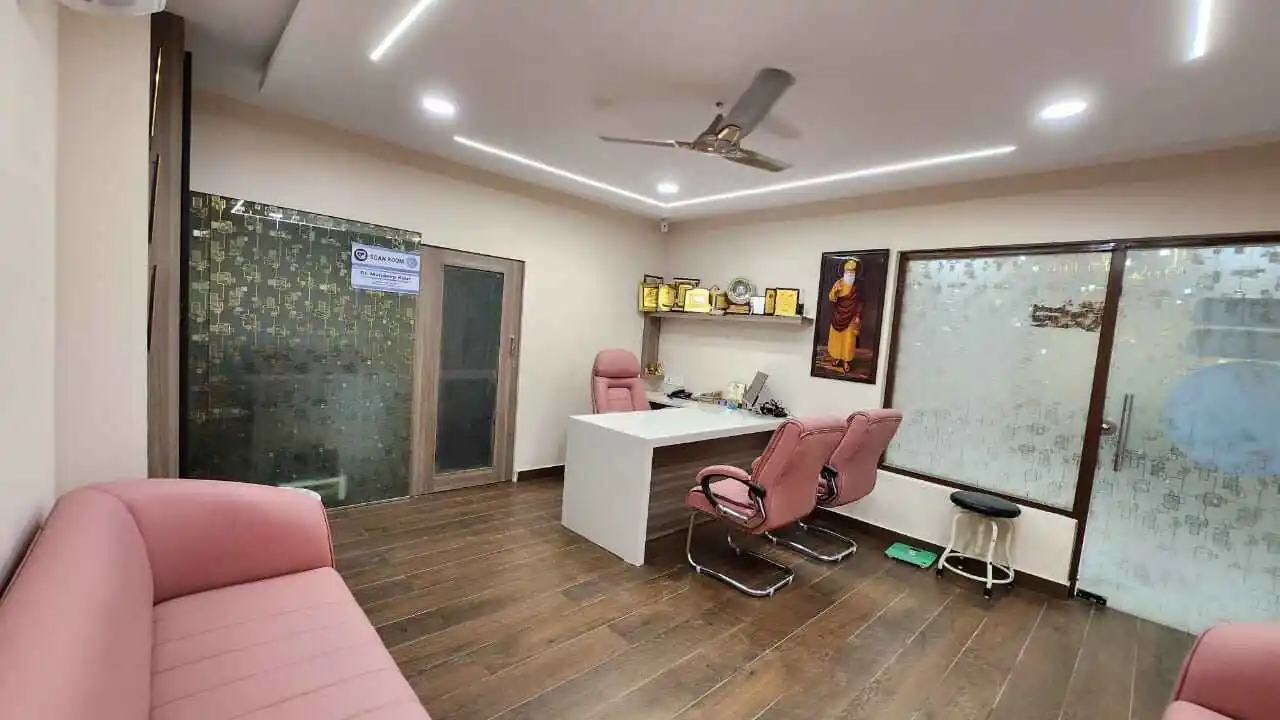
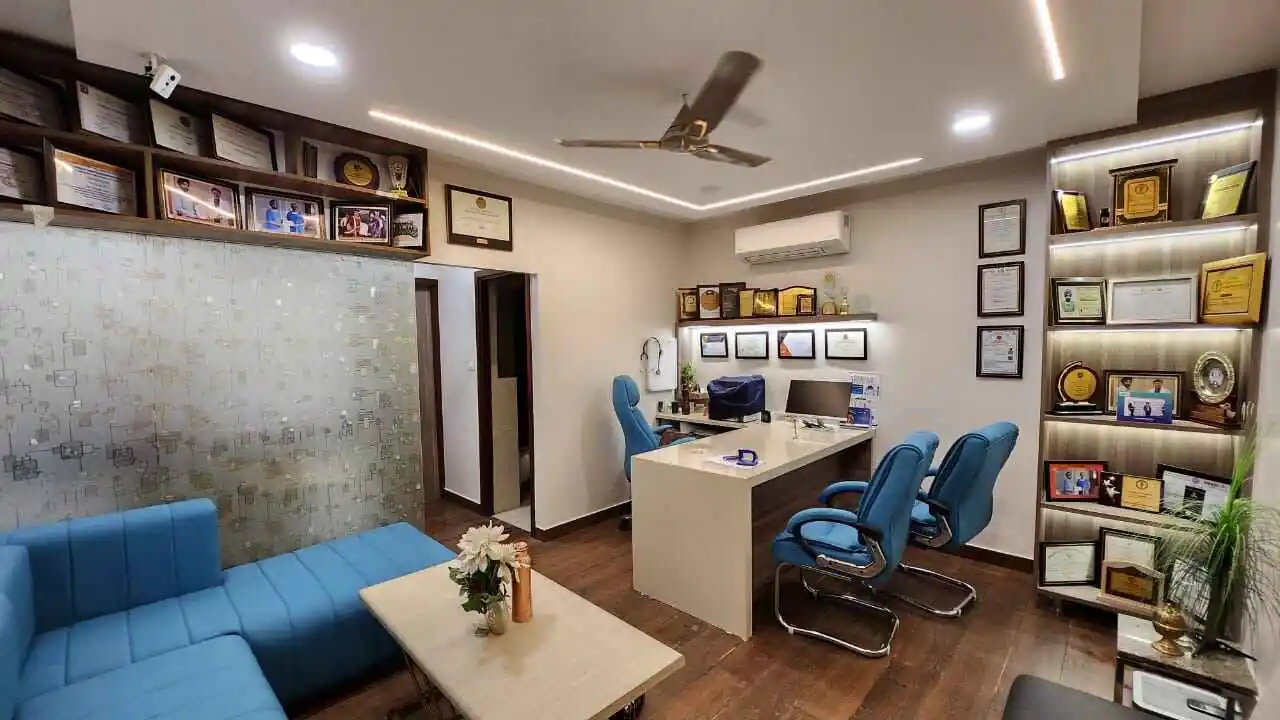
Neat & Clean Rooms
Spotlessly clean, profoundly caring. Our hospital ensures a pristine environment for your well-being
Modern Equiments
Our hospital has advanced technology gadgets and the best equipment in every field.
City Centre Location
Conveniently located at the heart of the city, our hospital offers easy access and exceptional care in a prime city center location

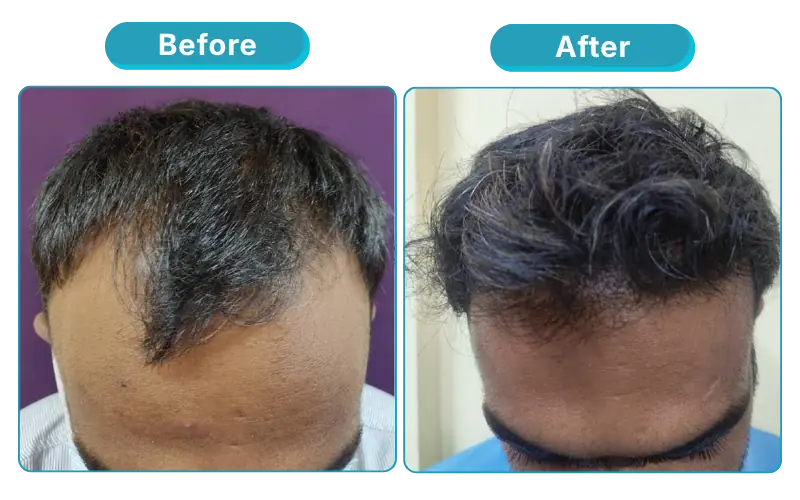
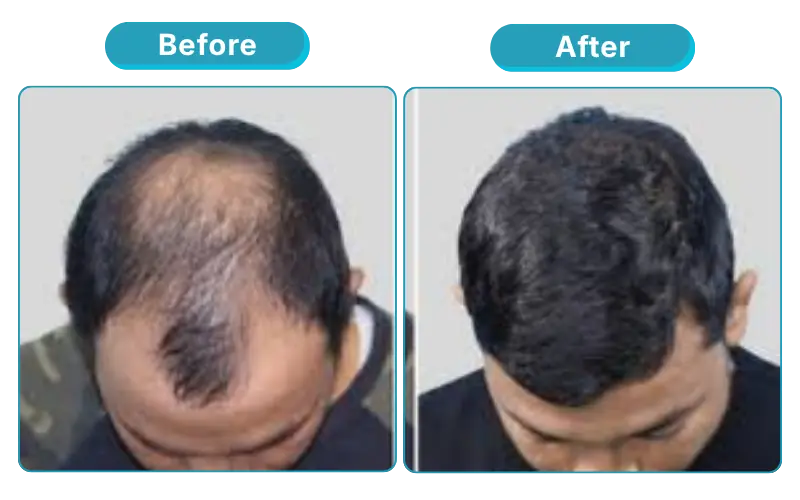
Best Hair Transplant Doctor in Jalandhar
Hair Transplant Cost in Jalandhar
The cost of hair transplant surgery will be varied according to the person to person, depending on the amount of transplatation needs and the sessions. In general, you can expect hair transplant cost to start from Rs 30000. You are always free to look for a lower cost for your hair transplant. Yes, you can find a cheap hair transplant, but it is not necessary; the quality of services they provide is good. More than the cost of a hair transplant, you should focus on getting a quality hair transplant in Jalandhar.
Services we offered:
- FUE Hair Transplant: It stands for Follicular Unit Extraction. If you opt for a FUE hair transplant in Jalandhar, a small part of your individual follicles would be placed on the bald area, and the further surgery proceeds. You will have a strip of hair-bearing follicles picked from around your head and then separated and placed on the bald area.
- PRP Therapy : It stands for Platelet Rich Plasma. This therapy will work towards repairing your injured skin and fasten the healing process so that your hair can grow back faster. er.
What are the benefits of a hair transplant?
Hair transplant is:
- Permanent
- Simple
- Natural-looking
- Anesthesia-free
- Safe
- Minimum Pain
- Natural Hairline
- Maximum Density
- Maximum Coverage
- Near 100% Survival Rate of Grafts
Why Choose Star Hospital For Hair Transplant Surgery in Jalandhar?
- Experienced Doctors : We have experienced doctors who are devoted to improving your personality & confidence.
- Dedicated Support Team : Our well-trained support team will resolve all your issues and help you to make the right medical decision.
- Pocket-Friendly Pricing Star Hospital is a great place to get treatment where you will find pocket-friendly costs, along with the best treatment quality.
- State-of-the-Art Clinics : Our state-of-the-art clinics will provide you with an ultimate treatment experience with best-class medical facilities.
Best Hair Transplant Surgery Hospital In Jalandhar

- Swelling
- Pian or discomfort
- Redness and itching
- Scabbing and Crusting
- Numbness
- Infection
- Scarring
- Shock Loss
Hair Transplant Educational Videos
Frequent Questions - FAQ's
A hair transplant is a medical procedure where hair follicles are taken from a donor area (usually the back or sides of the scalp) and implanted into areas experiencing thinning or baldness. The transplanted hair is typically permanent because it is resistant to hair loss hormones.
Yes, in most cases, hair transplants are considered permanent. The transplanted follicles are genetically resistant to hair loss. However, existing non-transplanted hair may continue to thin over time, which is why some patients may need additional treatments later.
The two most common methods are:
- FUE (Follicular Unit Extraction): Individual follicles are extracted and implanted. Minimal scarring and faster recovery.
- FUT (Strip Method): A strip of scalp is removed and dissected into grafts. Leaves a linear scar but may yield more grafts in one session.
Hair transplant procedures are usually done under local anesthesia, so patients feel minimal pain during the surgery. Some discomfort or soreness may occur afterward, but it is generally mild and manageable with medication.
A typical session can last between 4 to 8 hours, depending on the number of grafts being transplanted. Larger sessions may take longer or be split across multiple days.
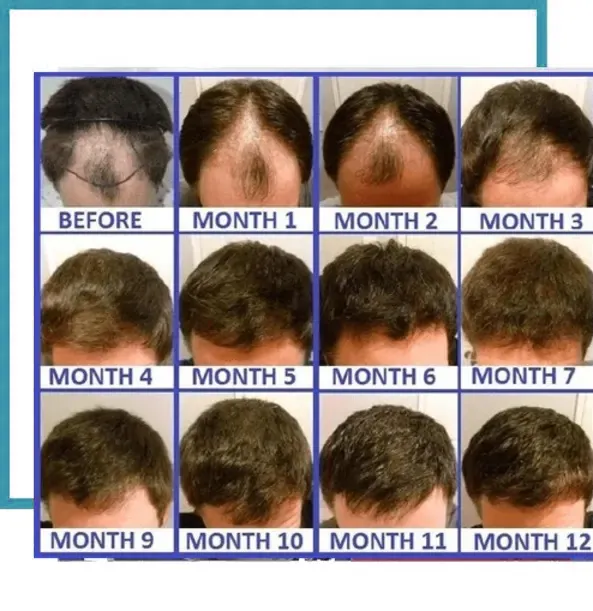
Hair growth typically begins around 3–4 months after the procedure. Noticeable improvement appears at 6–9 months, and full results are usually visible after 12–18 months
Yes, it is normal for transplanted hair to shed within the first few weeks. This is called “shock loss.” New hair growth begins a few months later from the same follicles.
Good candidates usually:
- Have sufficient donor hair
- Experience pattern baldness (androgenetic alopecia)
- Are in good overall health
- Have realistic expectations
A consultation is necessary to determine eligibility.
Most patients can return to normal activities within 3–7 days. Full healing of the scalp may take a few weeks. Strenuous activities should be avoided for about 2 weeks.
Yes, women can benefit from hair transplants, especially those with thinning hair or traction alopecia. However, female hair loss patterns differ, so evaluation is important.
Some patients achieve desired results in one session, while others—especially with extensive hair loss—may require multiple procedures over time.
Yes, transplanted hair behaves like natural hair. It can be cut, styled, and even dyed once fully healed.
Patients are typically advised to avoid:
- Direct sunlight
- Heavy exercise
- Smoking/alcohol (short-term)
- Touching or scratching the scalp
Yes, non-surgical options include:
- Minoxidil (Rogaine)
- Finasteride (Propecia)
- PRP therapy
- Laser therapy
These may slow hair loss but usually don’t restore hair like a transplant.
Hair transplants are generally safe, but possible side effects include:
- Swelling
- Redness
- Temporary numbness
- Infection (rare)
- Uneven growth if poorly performed
Choosing an experienced surgeon reduces risks significantly.
Patient Success Stories